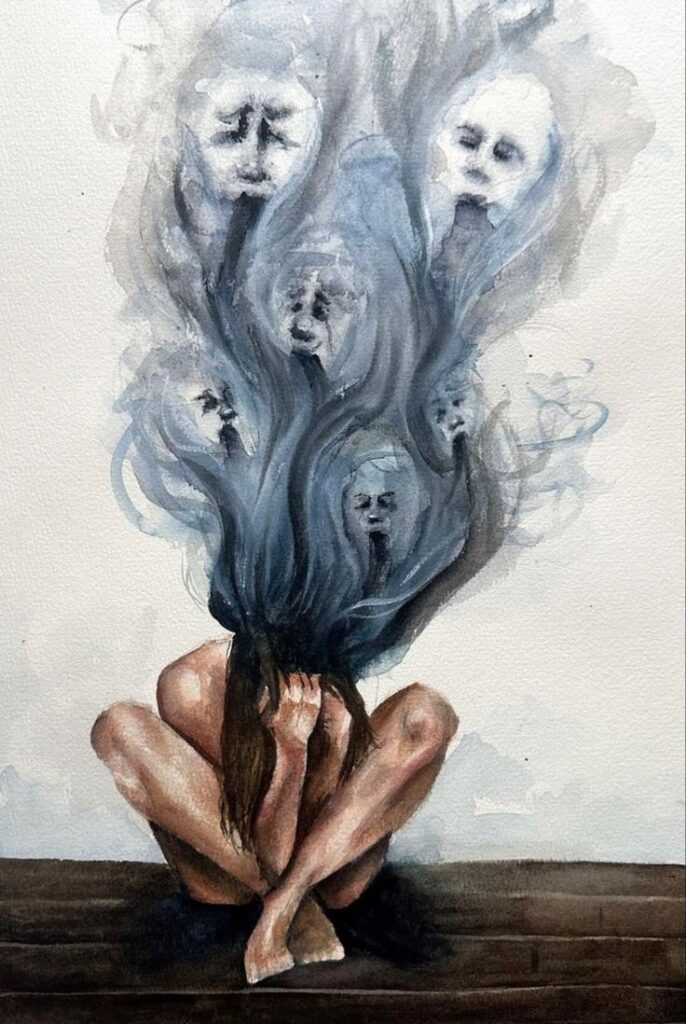
Introduction:
Loneliness is often viewed as a negative experience—something to avoid or something that signifies sadness. But what if we reframe this concept? What if loneliness is actually an art form, a space for self-reflection, creativity, and personal growth? “The Art of Loneliness” explores how solitude can become a canvas for introspection, healing, and even artistic expression. In a world that is constantly on the move, taking the time to embrace solitude can bring clarity and inspiration that we may otherwise miss.
How Loneliness Can Spark Creativity:
Loneliness doesn’t have to mean emptiness. In fact, solitude has historically been one of the most powerful tools for fostering creativity. When we are alone, free from distractions and external pressures, we have the space to tap into our deepest thoughts, emotions, and ideas. Artists like Vincent van Gogh and Frida Kahlo used solitude not as an obstacle, but as a way to dive deeper into their creative processes.
In solitude, there’s no rush, no outside interference—just the mind’s quiet hum, ripe with potential. It’s in these moments of stillness that new ideas form, and creativity flows. The “art of loneliness” isn’t about feeling abandoned; it’s about creating something meaningful from the quiet space inside ourselves.
The Psychological Benefits of Being Alone:
Spending time alone can also benefit our mental health in profound ways. Research shows that moments of solitude help us process emotions, decompress, and develop emotional resilience. In the absence of others’ voices, we can tune into our own, allowing us to identify our true feelings, desires, and needs.
When we experience loneliness without fear or judgment, it can lead to personal growth. Solitude offers a space for healing and introspection, allowing us to reflect on past experiences, relationships, and dreams. It gives us the opportunity to ask important questions like, “Who am I, really?” or “What do I want from life?” These questions, though difficult, are often best explored in solitude, where there’s no rush for answers.
The Art of Loneliness in Self-Discovery:
Loneliness is often misunderstood as a form of suffering, but it’s actually a powerful tool for self-discovery. The time spent alone allows us to reconnect with who we are, unshackled from external influences. In these quiet moments, we often uncover things about ourselves that would remain hidden in the noise of daily life.
The key is to view loneliness not as a void to be filled, but as a space in which to create. Whether through painting, writing, or simply thinking, this time allows us to shape our own narrative. We can learn to embrace our solitude, finding comfort in knowing that we don’t need external validation to feel whole. Just as an artist uses a blank canvas to express emotions, we too can use the emptiness of loneliness to reflect and understand our innermost selves.
The Healing Power of Art in Loneliness:
Art is one of the most effective tools to bridge the gap between loneliness and self-expression. When feeling isolated or misunderstood, many turn to painting, music, or writing to communicate what words alone cannot. The act of creating something from our inner emotions gives us a voice in the silence of loneliness.
Art also has a therapeutic quality. It allows us to process complex emotions, explore unresolved feelings, and release pent-up thoughts. In a sense, art becomes the companion to our solitude. It transforms what could feel like an empty space into a fertile ground for healing and growth. Whether it’s through sketching, journaling, or playing an instrument, art helps us transform loneliness into a creative and healing experience.
/blog/art-has-different-perspectivesConclusion:
Loneliness, when embraced with a different perspective, becomes a tool for growth, creativity, and self-discovery. The art of loneliness is about learning to use solitude to reconnect with ourselves, to dive deeper into our emotions, and to uncover creativity that often lies dormant in the hustle and bustle of life. By shifting how we view solitude, we can transform loneliness into a powerful artistic process that not only helps us understand ourselves but also creates beautiful, meaningful works of art. So, the next time you find yourself alone, remember: in the art of loneliness, there’s not just emptiness—there’s a world of potential waiting to be explored.
The Art of Loneliness – Solitude and Creativity