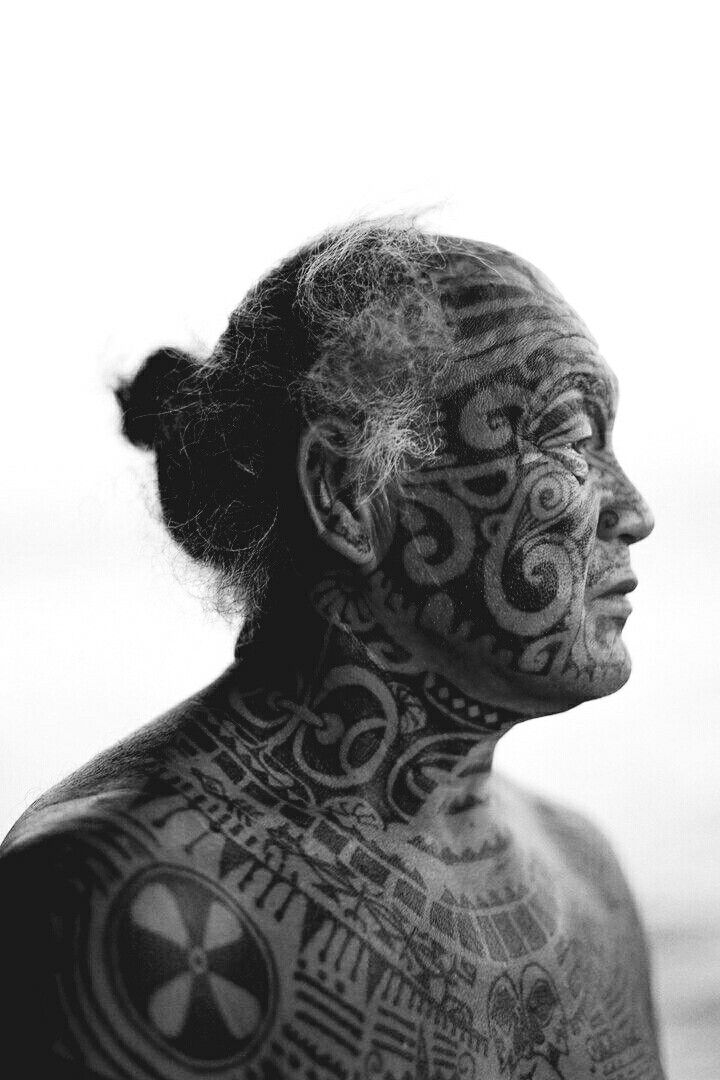
Tattoos are a form of art that have been around for centuries, but they have evolved into a highly personalized expression of self. For many, the body is the ultimate canvas—a place where stories, emotions, and personal beliefs are told through intricate designs, bold colors, and symbols. Tattoos are not just skin-deep; they are a reflection of identity, culture, and creativity.
1. Tattoos as Personal Expression
Tattoos offer a unique form of self-expression, allowing individuals to communicate their inner thoughts, memories, or values. While traditional forms of art like paintings or sculptures can capture universal ideas, tattoos are deeply personal and often carry specific meaning to the wearer. Whether it’s a symbol representing strength, a phrase that resonates, or a memory preserved in ink, each tattoo tells a story unique to its owner.
For some, tattoos serve as a reminder of a life event—an achievement, a loss, or a turning point. For others, tattoos are simply an aesthetic choice, a way to adorn the body in a way that feels authentic and empowering.
Tip:
- If you’re considering getting a tattoo, take the time to think about what it represents for you. Choose a design that resonates with your personal journey or something that reminds you of a core belief.
2. Tattoos as Art and Craftsmanship
The art of tattooing is not only about the design but also about the skill of the tattoo artist. Like any form of visual art, tattooing requires precision, creativity, and technical expertise. A skilled tattoo artist transforms an idea into a lasting piece of art that is etched into the skin. The process itself is a blend of creativity, technique, and understanding of human anatomy.
Tattoos can be anything from simple line work to complex, colorful, or hyper-realistic designs. The possibilities are endless, and tattoo artists continue to push the boundaries of what can be done with ink and needles. Some tattoos might resemble paintings, while others could be geometric shapes, portraits, or even minimalist sketches.
Tip:
- If you’re considering a tattoo, do your research and find an artist whose style aligns with your vision. Each artist has a unique approach, and choosing one whose work you admire is key to ensuring the final result meets your expectations.
3. Tattoos as Cultural Symbols
In many cultures, tattoos carry deep cultural or spiritual significance. Indigenous tribes and ancient civilizations have used tattoos to mark important life events, denote social status, or express spiritual beliefs. Even today, tattoos can be seen as a connection to one’s heritage, with certain symbols and designs holding cultural meanings that have been passed down through generations.
For example, Polynesian tattoos often represent a person’s ancestry, their achievements, or their journey in life. Similarly, Japanese tattoos (Irezumi) are steeped in tradition and storytelling, with designs that can represent strength, protection, or personal transformation.
Tip:
- If you are considering a culturally significant tattoo, take the time to learn about the history and meaning behind it. Respect for the traditions that influence tattoo designs is essential to honoring their significance.
4. Tattoos as a Form of Art for the Body
A tattoo is much like a painting, except it’s living and breathing. It becomes a part of the body and moves with it, changing as the skin changes over time. Much like how an artist uses a canvas, tattoo artists use the human form as their medium, creating designs that flow with the contours of the body. The body itself adds a dynamic element to the tattoo—the way a tattoo might look on the arm differs from how it would look on the back or leg, with each placement requiring a different approach.
Tattoos can accentuate the body’s natural shapes, complementing muscle lines or creating a contrast that enhances the visual appeal. A tattoo, like a well-crafted piece of art, interacts with the space it occupies, adding dimension and depth to the body’s form.
Tip:
- When choosing the placement of your tattoo, consider how the design will flow with the natural lines of your body. A well-placed tattoo can look as though it’s meant to be there, seamlessly enhancing your form.
5. Tattoos as a Form of Rebellion and Freedom
Historically, tattoos have often been associated with rebellion, non-conformity, and freedom of expression. For many, getting a tattoo is a way to assert their individuality and challenge societal norms. Tattoos provide an opportunity to break away from traditional expectations of beauty or appearance, allowing people to display their uniqueness proudly.
In many cultures, tattoos were once seen as taboo or rebellious acts, and getting a tattoo was a way to express defiance or independence. Today, tattoos are more widely accepted and have become a symbol of personal autonomy—each person deciding what they want their body to look like and what messages they want to convey.
Tip:
- If you’re drawn to tattoos as a form of rebellion or freedom, embrace that power. A tattoo can serve as a reminder of your autonomy, your ability to make choices, and your personal journey to self-expression.
6. The Healing Power of Tattoos
Tattoos can also serve as a form of healing, offering a therapeutic way to cope with trauma, loss, or personal struggles. For some people, tattoos act as a way to reclaim their bodies or mark a significant point in their healing journey. Many choose tattoos to memorialize loved ones, commemorate overcoming challenges, or mark a new chapter in life.
The act of getting a tattoo can be a transformative experience, where the process itself becomes an act of empowerment and reclaiming one’s narrative. For others, tattoos help them reconnect with their bodies after trauma, helping them feel stronger or more in control.
Tip:
- If you’re using a tattoo as part of a healing process, choose a design that feels meaningful to you. It’s a deeply personal choice, and the tattoo can serve as a powerful symbol of your resilience and strength.
7. Tattoos as Everlasting Art
Unlike traditional forms of art that may hang in galleries or be stored in museums, tattoos are permanent. They stay with you, becoming a part of your identity. Over time, tattoos fade, but they also tell the story of the passage of time. They evolve with you, serving as a visual reminder of who you were and who you are.
A tattoo can be a symbol of a particular moment in life, a milestone, or a memory that you wish to carry with you forever. While the art may change over time, its significance often grows deeper, making tattoos timeless pieces of living art.
Tip:
- When deciding on a tattoo, think about its long-term significance. What does it represent for you now, and how might it reflect your journey in the years to come?
Conclusion: Tattoos as Living Art
A body can indeed be a canvas, and tattoos are the art that adorn it. They are personal expressions of identity, culture, and creativity that transform the human form into a living, breathing piece of art. Whether you’re seeking a symbol of personal meaning, a work of visual beauty, or a piece of rebellion, tattoos offer an endless range of possibilities.
Just like any piece of art, tattoos are a reflection of the artist and the individual. And when chosen with care, they are a way of carrying art with you, wherever you go.